
Here is our selection of the best fonts to give your website a modern, professional look. We picked them for their aesthetics, their readability and how well they adapt to different web design styles and needs. Whether you are a seasoned designer or a web enthusiast, choosing the right font goes a long way toward holding your audience's attention.
What are Safe Fonts and Web Fonts?
When you design a website, the font you choose affects the look of the site, but also how it works and how accessible it is. 2 notions come into play here, Safe Fonts and Web Fonts.
Safe Fonts, for reliability
Safe Fonts, or web-safe fonts, come preinstalled on most operating systems. Their main advantage is their high compatibility. Your text displays consistently across devices and browsers, whatever their settings or capabilities.
With a Safe Font, you reduce the risk of your text looking distorted or different from what you intended. You give users a reliable, consistent experience.
Web Fonts, for customization
Web Fonts are downloaded from the internet and used on a website. They are not limited to the fonts preinstalled on users' devices, which opens up many possibilities for design and customization. Services like Google Fonts or Adobe Fonts offer a wide range of free and paid Web Fonts.
Keep in mind that Web Fonts can slow down your site's loading time, and how they display depends on whether the user's device can download them.
Safe Fonts
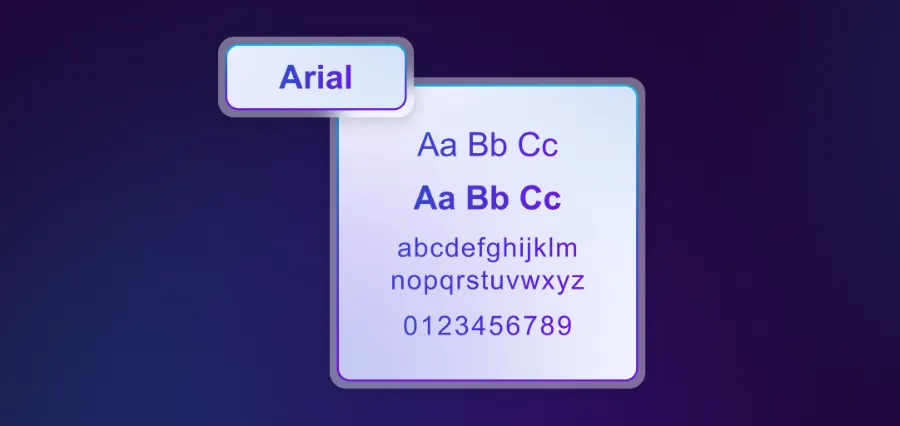
1. Arial
Arial is known for its readability and simplicity.
It works for every type of text.
It is a sans-serif font.
2. Times New Roman
Times New Roman, a traditional typeface, is often used for formal content.
It suits academic and official texts.
It is a serif font.

3. Georgia
Georgia is known for its readability across devices.
It suits everyday text.
It is a serif font.

4. Verdana
Designed for screens, Verdana stays easy to read even at small sizes.
It suits body text.
It is a sans-serif font.

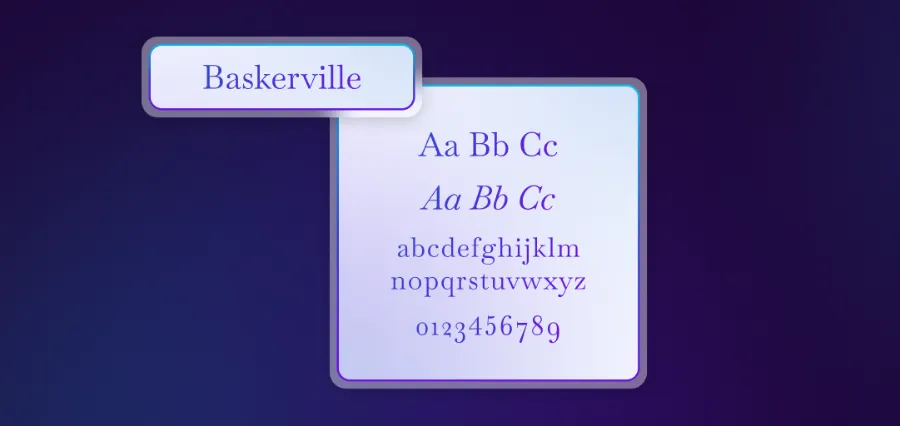
5. Baskerville
Baskerville works very well for content that needs a classic, serious feel.
It suits literary and editorial texts.
It is a serif font.
6. Roboto
Roboto offers excellent on-screen readability, which makes it a very good choice for both body text and headings.
It works for every type of text.
It is a sans-serif font.

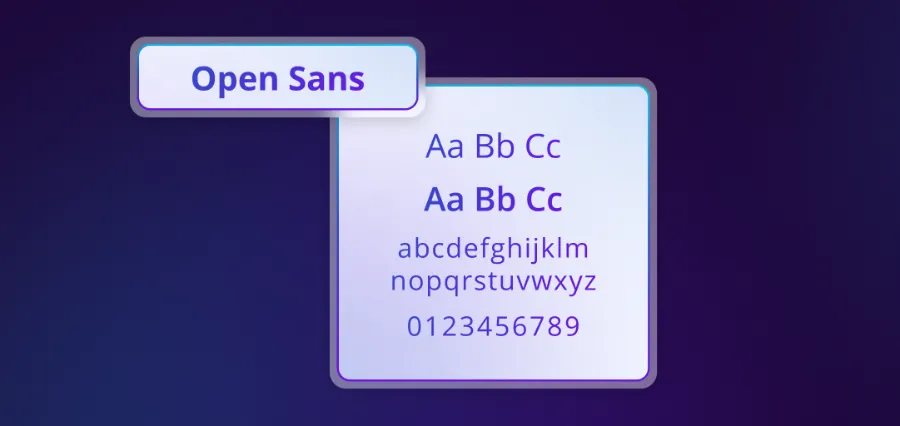
7. Open Sans
Open Sans is valued for its neutrality and clarity, ideal for corporate or educational sites.
It suits everyday text.
It is a sans-serif font.
8. Lato
With its subtle curves, Lato adds a touch of warmth and friendliness.
It suits headings and advertising.
It is a sans-serif font.

Web Fonts
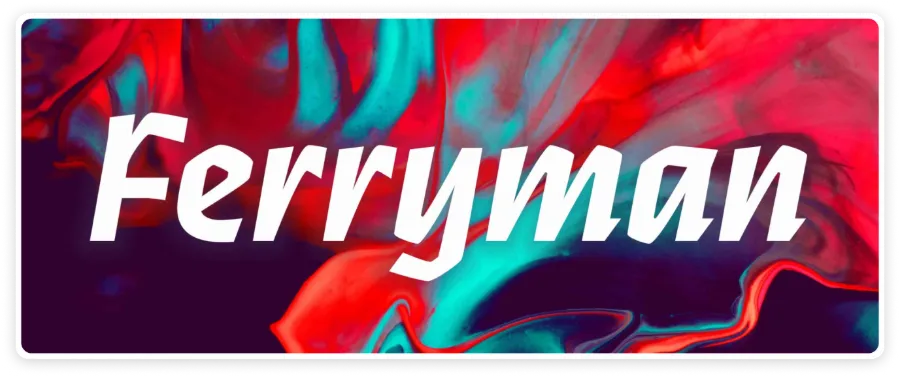
1. Ferryman
Ferryman reinvents classic blackletter script with a strong character, good readability and modern versatility.
It suits visual communication and brand identity.
It is a sans-serif font.
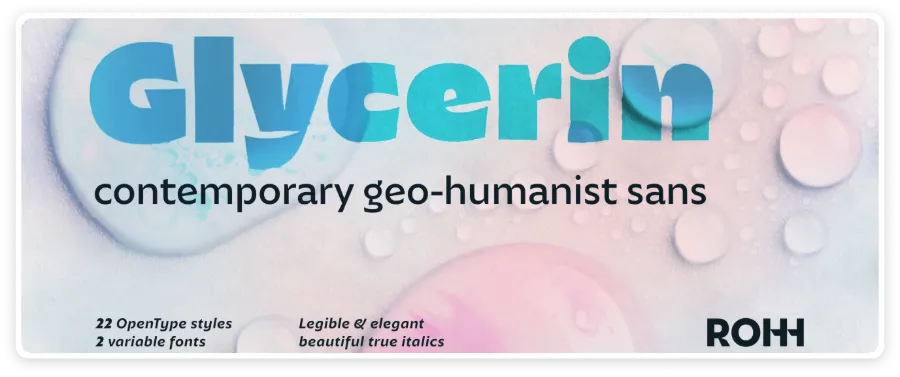
2. Glycerin
A modern geo-humanist typeface, Glycerin offers excellent readability and a bold character.
It suits versatile text, graphic design and brand identity.
It is a sans-serif font.
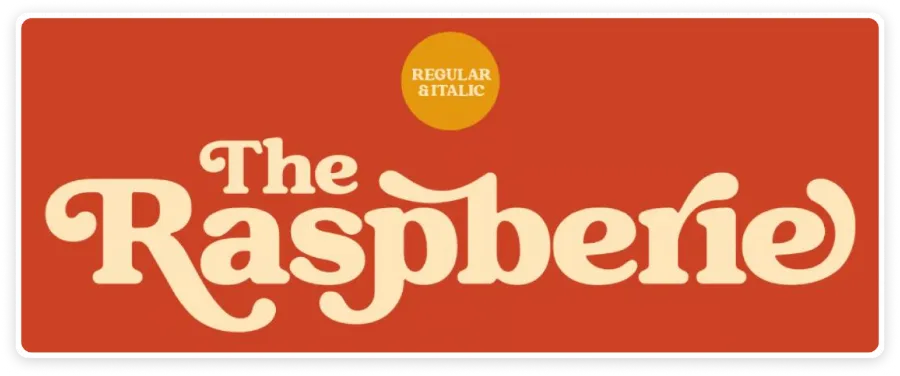
3. Raspberie 90s
Inspired by 90s retro design, Raspberie is ideal for a nostalgic look.
It suits graphic design, logotypes and packaging.
It is a serif font.
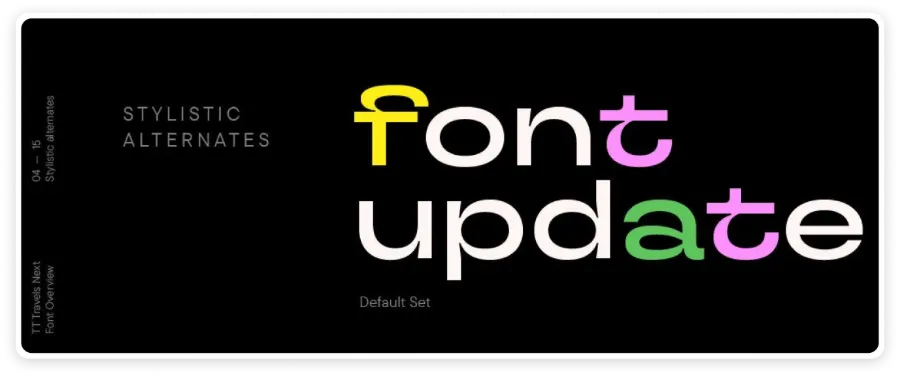
4. TT Travels Next
A radical display version of the well-known TT Travels family, it is ideal for bold designs.
It suits display use, headlines and brand identity.
It is a wide sans-serif font.
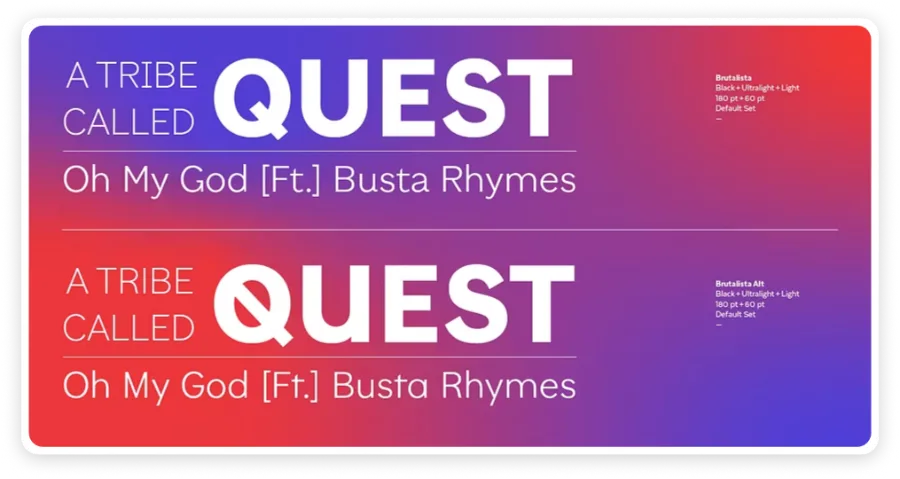
5. Brutalista
Inspired by brutalist architecture, the Brutalista font offers a clean style with plenty of character for all kinds of projects.
It suits graphic design and brand identity.
It is a sans-serif font.
6. Marcovaldo
Marcovaldo blends historical elegance with modern innovation, perfect for eye-catching display use.
It suits display use and headlines.
It is a condensed serif font.
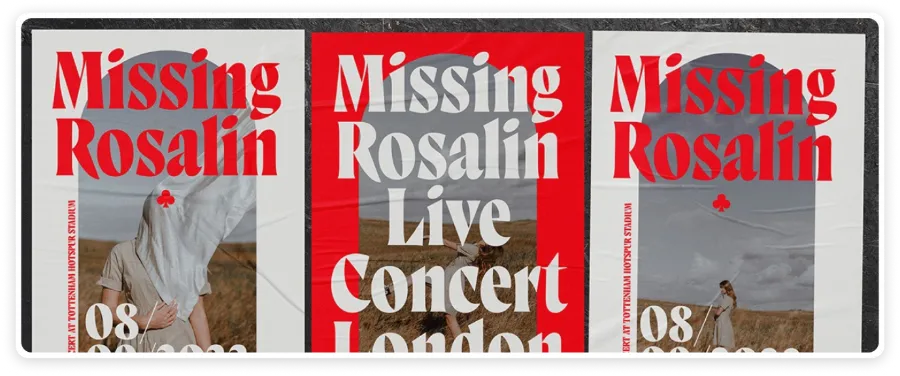
7. Fifty Fifty
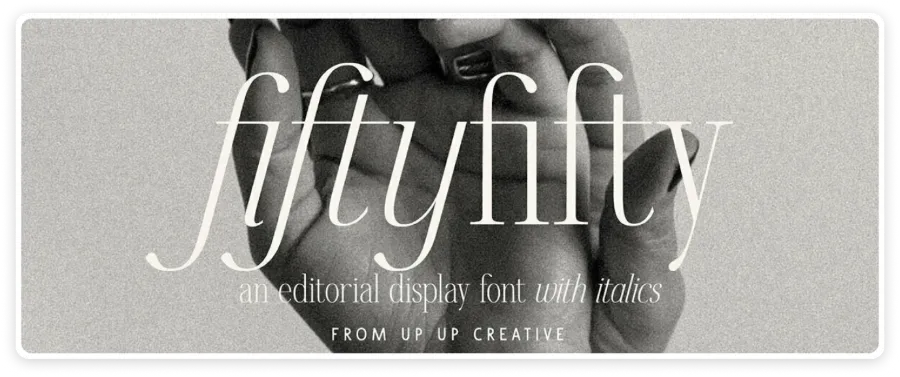
Fifty Fifty features soft curves and beautiful ligatures that bring lightness and elegance to your projects.
It suits editorial design, monograms and logotypes.
It is a serif font.
How to choose the best font for your website
Every font has its own character and can change the look of your site. Successful web design rests on a balance between aesthetics, readability and compatibility. Test these fonts in different contexts to find the one that fits your project best. Enjoy the process.