
In 2025, managing the budget of a Webflow showcase site is as much about strategy as it is about technology. The market moves fast and users expect more every year. Spreading your spending well lets you balance performance, design and return on investment.
In this article, we break down the different costs of building a showcase site on Webflow. We also share practical tips for keeping your budget on track. The goal is to help you invest in the right places, so you get a site that matches your ambitions without giving up quality or the lifespan of your online presence.
Why choose Webflow for a showcase site?
Webflow combines advanced design with solid technical features. That is what makes it a very good option for building a showcase site in 2025.
Technical advantages
Webflow generates clean, optimized code. Pages load fast and the site stays reliable. Integrations and animations are easier to manage, so you can build complex interactions without hurting the site's overall performance.
Custom design
With Webflow, the design can be fully customized, with no dependence on predefined templates. Every element can be adjusted to reflect the brand's identity precisely. The user experience becomes unique and aligned with your goals.
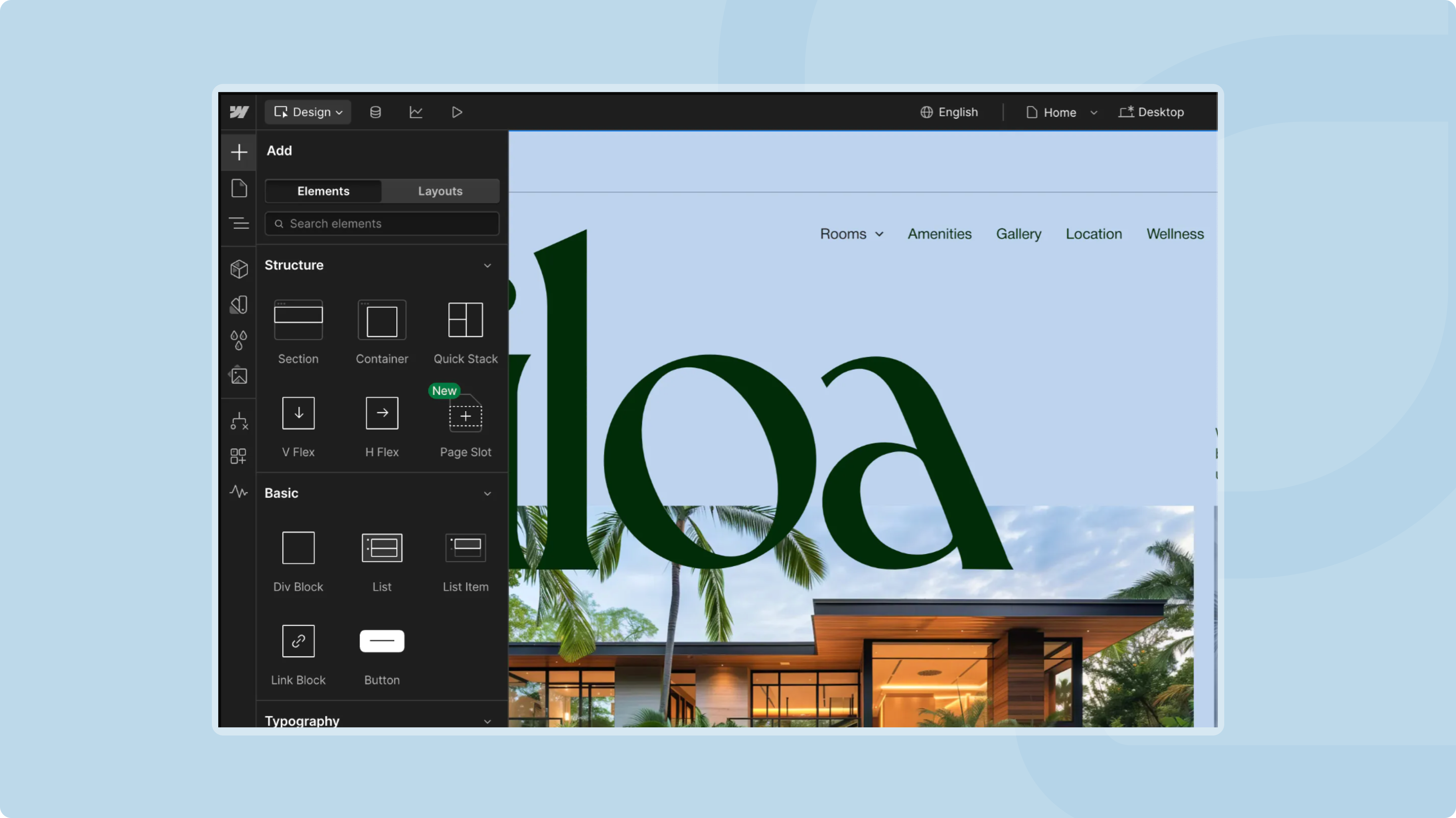
No more endless back-and-forth between developers and designers. No more developers taking big liberties because "it's too complex to build". With Webflow, collaboration is smooth and the build stays true to the original design. The project gains in efficiency and consistency.
See how 10 companies chose Webflow for an outstanding design.
Marketing team autonomy and content management through the CMS
Webflow's content management system (CMS) lets marketing teams update and enrich the site without advanced technical skills. They become more responsive and keep the site current and relevant.
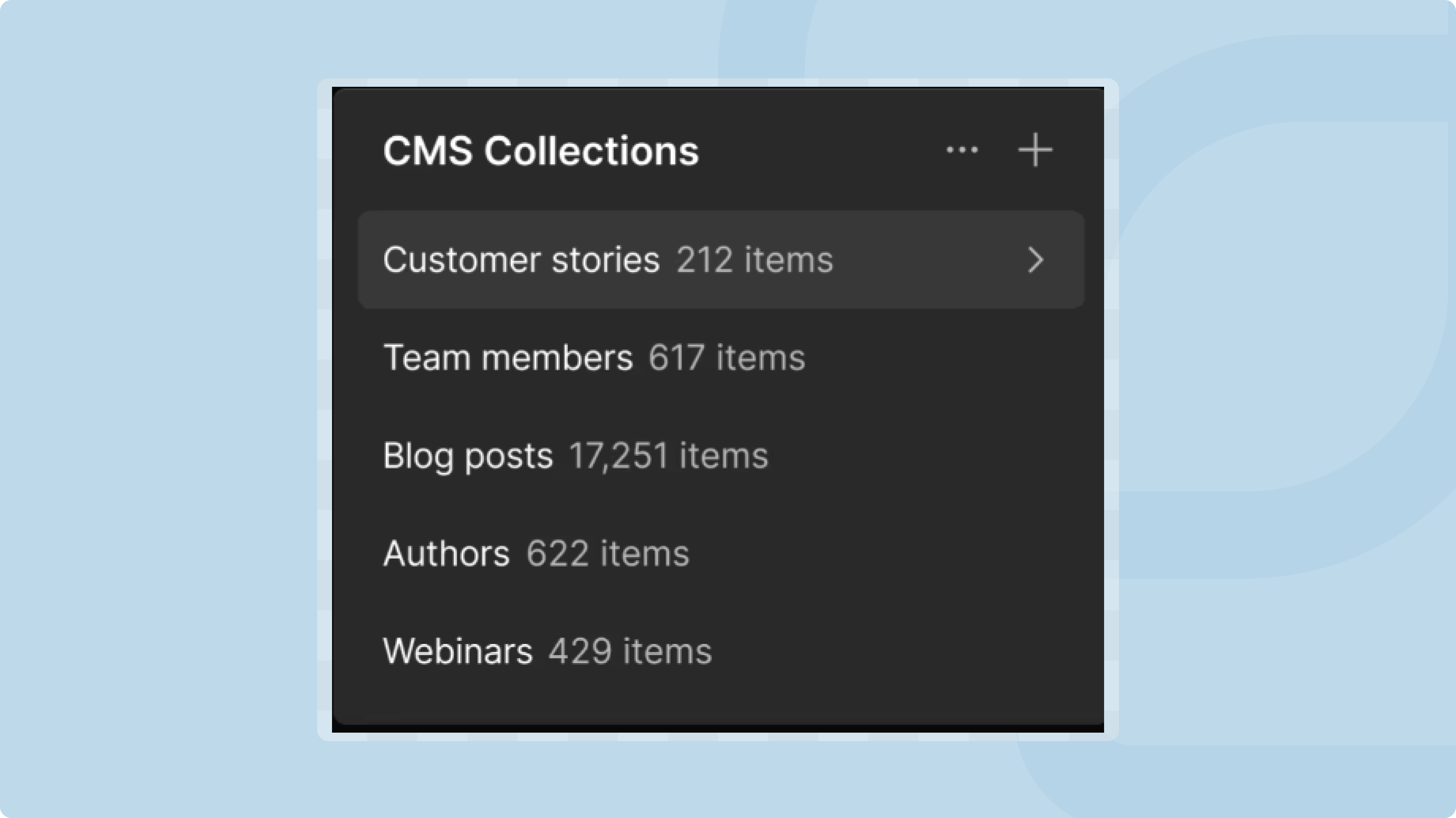
Performance
Performance optimization is at the core of Webflow. The platform runs on a solid infrastructure and includes tools to optimize images and code. Sites load quickly, which improves the user experience and lowers the bounce rate.
SEO best practices
Webflow has SEO best practices built in. From the code structure to custom tags and metadata, everything is designed to improve visibility in search engines. These tools help you rank the site well and attract quality organic traffic.
Scalability
Webflow is very flexible. You can add new sections, integrate advanced features or update the design to keep up with the market. The platform adapts easily to your needs. This modular approach protects your investment and supports your company's growth.
Impact on the overall budget
Choosing Webflow also has a positive effect on the overall budget. Managing and optimizing the site in-house helps you limit some recurring costs. A well-planned initial investment in customization and performance also extends the site's lifespan and avoids major redesigns. Betting on Webflow means combining quality, adaptability and cost control over the long term.
Showcase site budget by type of site and needs
Every project is unique, and the solution has to fit both the goals and the resources available. Not everyone has the same needs or the same means. So we have grouped showcase sites into 4 main categories, described below.
Institutional and corporate showcase sites
These sites meet the requirements of large companies and institutions, which need a site that reflects their seriousness and credibility. The investment is larger, because every detail has to convey solidity and security. Here is what defines them:
- Credibility and brand image. The design is understated and elegant to build trust from the first visit. A rigorous brand guide, institutional typography and a balanced layout convey stability and professionalism. Every visual element strengthens the company's identity and makes it instantly recognizable.
- Robustness and security. Showcase sites for institutions need a reliable technical infrastructure. That means secure hosting, SSL certificates and regular updates to protect against cyber threats. Robustness also comes from an optimized architecture that can handle heavy traffic while staying smooth for the user.
- High-end features. To meet the complex needs of large organizations, these sites often include advanced features such as a custom CMS, accessibility modules, integrations with internal tools (CRM, ERP) and multilingual support. These tools share information effectively and meet the legal and regulatory requirements institutions often face.
- Optimized user experience. Navigation is intuitive and structured. The focus is on clear information and a clear content hierarchy, so every visitor quickly finds what they are looking for. Mobile compatibility, fast loading and thorough SEO complete the approach.
Budget to plan for
With these requirements, the initial budget for an institutional or corporate showcase site is usually higher. It covers custom design and technical development, and also security, premium hosting and ongoing maintenance. Depending on the project's complexity and the features included, you should often plan for an initial budget of €15,000 to €50,000, or more for large international projects. This investment gives you a solid, secure platform that reflects a large organization, with a long-term return on investment.
Showcase sites for tech and SaaS companies
For tech companies and SaaS vendors, innovation is at the heart of the digital strategy. Their showcase sites have to turn complex concepts into engaging visual experiences. The investment is usually a little higher, to reflect the technological level of the service. Here are the key points of this category:
- Interactive animations and dynamic demos. These sites include advanced animations, micro-interactions and real-time demos. They highlight the features and value of the products or services. The goal is to catch the user's attention and make technical information accessible in a fun, immersive way.
- Modern, clean design. The design is both attractive and functional. A polished brand guide, combined with interactive elements, presents a company at the forefront of technology while keeping navigation intuitive.
- Technical depth and advanced integrations. Beyond visuals, these sites often require API integrations, custom content management systems and advanced analytics tools. The site can then grow with the company's needs and meet the expectations of an informed audience.
- Impact on image and positioning. A well-designed showcase site for a tech or SaaS company does more than present information. It highlights innovation and performance, and strengthens credibility and differentiation in a competitive market.
Budget to plan for
The cost of a showcase site for a tech or SaaS company depends on the company's stage of development and the complexity of the project. For a simple project with a custom design and a few interactive animations, you can start from about €7,000. For more advanced projects, with API integrations, analytics modules and a robust infrastructure that ensures performance and security, the investment can reach several tens of thousands of euros. Most projects fall between €10,000 and €20,000. This budget reflects the wish to project innovation and reliability, with a scalable platform that can keep up with the fast growth of a tech or SaaS company.
Showcase sites for SMBs and local businesses
For SMBs and local businesses, the goal is to present the offer clearly, simply and effectively, with nothing superfluous. These sites stay understated, with a clean design, intuitive navigation and key information up front, such as products, services, opening hours and contact details. The investment stays under control and the user experience is smooth and suited to local customers.
With an optimized structure and strong content, these sites give you a professional storefront without excessive costs. They are accessible and quick to launch, and every visitor immediately finds what they are looking for. The focus is on ease of use and a clear message, so the business stands out in its local area.
Recent research has also confirmed that showcase sites for SMBs and local businesses favor a minimalist, functional approach. They are designed to meet customers' needs quickly, highlight the main information and offer easy navigation, with budgets suited to small businesses.
Budget to plan for
In this category, you can build very simple, effective sites without a fully custom design, which cuts costs significantly. For basic but professional projects, the budget can start around €3,000 and go up to €10,000, depending on your needs and the options you choose. Small businesses get a polished, functional online presence without overloading their budget.
Showcase sites for creative and hybrid startups
For these projects, the budget is flexible and often split into phases. This suits companies that are just starting out or changing fast. The idea is to launch a first version of the site with the bare minimum, then add features and visual elements as the company's needs and growth require.
- Bold design and strong visual impact. Aesthetics are at the heart of these projects. The site has to make an impression with an innovative, dynamic design that reflects the startup's creative spirit. Striking visuals, polished animations and an original layout build a strong, distinctive identity.
- Scalable, modular features. Features are rolled out in phases. The site can then adapt to market changes and user feedback. The modular architecture lets each addition fit smoothly into the whole, which makes updates and the project's evolution easier.
- Agile budget management. Startups often need to adjust their investments based on results and opportunities. Splitting development into phases keeps costs under control while keeping a site that lives up to your creative ambitions.
Budget to plan for
It is common to start with a smaller initial budget to launch a minimal version of the showcase site. This starting budget usually falls between €3,000 and €8,000 and covers the design and basic features. As the company evolves, branding and positioning are often revisited, especially during pivots to find product-market fit and better target the right personas. The budget is therefore an evolving investment that grows with the company. It lets you gradually add advanced features and enrich the user experience in line with your strategic goals.
Want to get started on Webflow? Here are the steps from A to Z to build your site with Webflow.
Breaking down costs by category
To avoid surprises, you need to distinguish 2 types of costs when building a showcase site, fixed costs and variable costs.
Fixed costs
- Custom design. Good design is the cornerstone of your site. It creates a strong visual identity and a consistent user experience from the first glance.
- Hosting. A fast, secure site needs quality hosting, usually billed monthly or yearly. This investment ensures the platform's performance and reliability.
- Technical support. Regular updates, both technical and editorial, are needed to stay current and ensure optimal security.
Variable costs
- Specific features. Depending on your needs, you can add interactive animations, advanced SEO or stronger security measures. These options, added over time, enrich the user experience and support your changing goals.
Each category of showcase site combines these costs differently. With experience, we have learned to adapt the investment to each client's profile and ambitions, to find the right balance between quality, performance and budget control.
.png)
Tips for optimizing your budget on Webflow
To avoid bad surprises and keep your investment under control, here are 4 proven tips.
Plan carefully
Before starting your project, define your goals clearly and identify the features you really need. Precise planning avoids costly additions along the way and makes sure every expense meets a real need.
Choose a solid architecture
Adopt a rigorous style guide and reusable modular components. Development costs go down over the long term, because updates and adjustments no longer start from scratch.
Train your teams
Invest in tailored training so your teams can handle changes and optimizations in-house. Staff who know Webflow depend less on outside experts, and maintenance costs go down.
.png)
Choose flexible support
Go for monthly support that you can cancel at any time. You avoid restrictive contracts and adjust the support as your needs change.
These tips are based on common web development practices and on the experience of many professionals who optimize their budget while keeping a high level of quality. They have been validated by case studies and feedback from the Webflow world.
Conclusion
Investing in a showcase site on Webflow in 2025 calls for careful budget planning above all. Institutional site, SaaS project, SMB or creative startup, each category has its own costs and needs. What matters most is adapting the investment to your profile and goals. A site's quality is built from the design phase. With a clear strategy, you lay the foundations for a lasting, high-performing online presence.